.jpg)

The post Best Time of Year to Rent an Apartment in Los Angeles: Month-by-Month Guide appeared first on SkyLA Tower Blog.
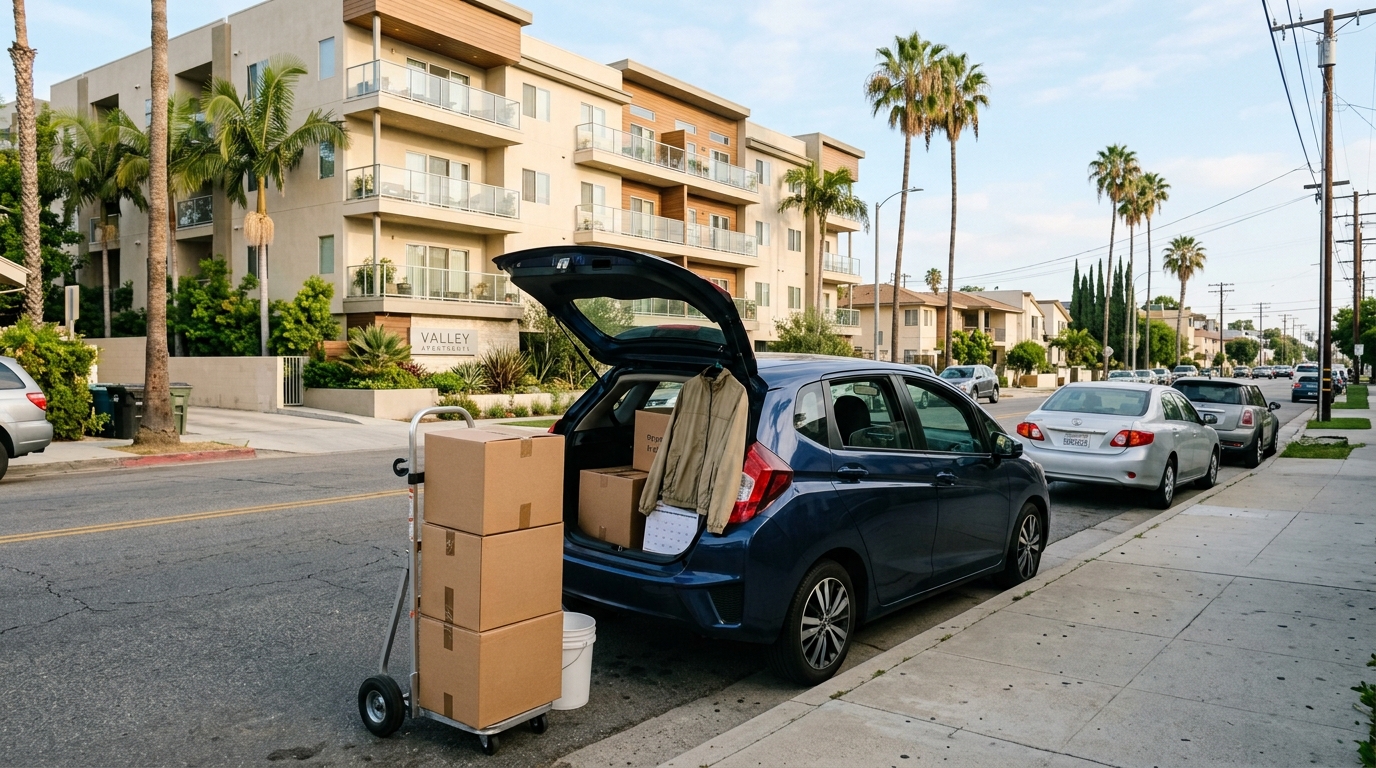
]]>
Timing can change how a rental search feels. One moving window may bring more listings and a faster pace, while another may give you more time to weigh your options.
There is no single best month for every renter in Los Angeles. If you are wondering when to rent in LA, start by deciding whether you care more about lower competition, wider selection, or a specific move-in date. If you are planning a Valley move, you can also explore modern apartments near Sherman Oaks while using this guide to choose a search window.
Quick Answer: What Is the Best Time of Year to Rent an Apartment in Los Angeles?
Late fall and winter can be useful for people who want a calmer search with fewer competing applicants. Spring and early summer often bring more turnover and a broader range of available homes, but desirable units may move quickly. Early fall can offer a middle ground as summer activity starts to ease.
No point on the calendar guarantees the lowest price, the most inventory, or the strongest concessions. The right lease timing depends on what matters most to you and what is available in your target area.
How Los Angeles Rental Seasonality Usually Works
Los Angeles leases homes year-round, but activity still tends to follow broad patterns. Use them as planning clues, not fixed rules.
Winter
Late fall through winter often brings a slower search pace and fewer competing renters. The trade-off is that choices may be narrower, especially if you need a particular home type.
Spring
As more people plan moves, turnover and listing activity may increase. That can improve your options while making popular units move faster.
Summer
Summer is often one of the busiest moving periods. The larger pool of listings can help people who value choice, but being prepared matters when several applicants are looking at similar homes.
Fall
Early fall may balance remaining choices with easing renter demand. By late fall, the market often begins shifting toward its quieter winter rhythm.
Month-by-Month Guide to Renting in Los Angeles
January — Lower Competition
The post-holiday period is traditionally quieter. Inventory may be narrower, but you may have more room to tour and think. Read more about renting an apartment in Los Angeles in January.
February — Winter With Early Spring Momentum
February can still feel calm even as fresh listings begin to appear. Review what to expect from the February rental market before choosing your moving window.
March — Early Spring Transition
Activity may build before the busiest part of the year. March can suit renters who want to get ahead of peak-season pressure without limiting themselves to winter inventory.
April — Growing Selection
Spring turnover may create more choices as renter demand rises. This period can work well if seeing a wider mix of homes matters more than having a slower search.
May — Busier Moving Season Begins
The pace often quickens as summer approaches. Check new listings regularly and be ready to decide when a rental home fits your budget and must-haves.
June — Strong Summer Activity
June can bring active leasing and quick decisions. Having documents, questions, and a realistic monthly budget ready can make the process easier.
July — Peak Moving Period
July is often busy, with both opportunity and pressure. More listings may appear, but appealing homes can attract attention quickly.
August — Summer Activity Continues
Relocations, work changes, and academic calendars can keep demand active. Your experience will still depend on the neighborhood, home type, and individual property.
September — More Balanced Conditions
The summer rush may start to fade while some choice remains. September can be worth watching if you want a balance between variety and breathing room.
October — Transition Toward Off-Peak
With peak moving season behind you, comparing options may feel less rushed. October can fit people with flexible schedules who do not need a summer move.
November — Lower Competition, Potentially Less Inventory
A quieter market can give you more time to evaluate the details, although fewer homes may be listed than in spring or summer.
December — Holiday Timing
Leasing may slow, but holiday schedules can complicate tours, movers, travel, and office coordination. Build in extra time if you plan to move near year-end.
Which Month Is Best Based on Your Priority?
| Your Priority | Period to Consider |
|---|---|
| Lower competition | November through February |
| Wider range of available homes | April through July |
| Calmer tours | Winter |
| Balance of choice and competition | March or September through October |
| Summer relocation schedule | June through August |
| Maximum timing flexibility | Monitor several months instead of waiting for one “perfect” month |
These are tendencies, not promises about pricing or available homes. If your move date is flexible, watching the market for several weeks may be more useful than waiting for a supposedly cheaper time of year.
When Should You Start Apartment Hunting Before Your Move?
A practical starting point is roughly 30–60 days before your target move date. Properties release homes on different timelines, so allow enough time to understand the local search pace.
Start earlier when you have tighter requirements, such as:
- A specific bedroom count
- A narrow neighborhood target
- Pet requirements
- Parking or EV-charging needs
- A fixed work or relocation date
- A move from another city
Before touring, prepare your apartment budget, gather application documents, and separate must-haves from nice-to-haves.
Current Market Conditions Can Matter More Than the Calendar
Seasonal patterns explain what often happens, but supply, new construction, neighborhood demand, and broader economic conditions can change the result.
For example, Realtor.com’s Q2 2026 Los Angeles County Rental Report put the county’s median asking rent at $2,603, down 3.4% from a year earlier. That decline occurred during the broader spring and summer leasing period, which is a useful reminder that the calendar is not a pricing guarantee.
Realtor.com’s April 2026 Rental Report described the typical spring pattern of month-over-month increases alongside continued annual declines. The newer July 2026 Rental Report found that asking rents across the 50 largest metros were down 1.4% year over year. Before waiting for another season, review live listings, asking prices, concessions, and available homes in the area you are actually considering.
Compare the Apartment, Not Just the Month
Even when the timing looks favorable, the home itself matters more than a seasonal label. Review the monthly price, required fees, lease length, parking, utilities, move-in date, unit-specific features, and live inventory.
SkyLA Tower’s current floor-plan page describes studio, one-bedroom, two-bedroom, and penthouse options. Pricing and live availability change with inventory, so use the property site to see which residences are being offered during your search.
A good apartment that fits your budget now may be better than waiting for a perfect month that never really shows up.
Plan Your Apartment Search at SkyLA Tower
SkyLA Tower is located at 6530 Sepulveda Blvd. in Van Nuys, near Sherman Oaks, and its floor-plan page describes studio, one-bedroom, two-bedroom, and penthouse options. When your preferred search window arrives, contact SkyLA Tower to ask about current pricing, available homes, lease terms, and tours.
Frequently Asked Questions About When to Rent in Los Angeles
What Is the Cheapest Month to Rent an Apartment in Los Angeles?
There is no guaranteed cheapest time. Winter may bring fewer competing renters and sometimes softer pricing, but local demand, home type, supply, and current conditions can matter more than the calendar.
Is Winter a Good Time to Rent in Los Angeles?
It can be, especially if you prefer a calmer search. The main trade-off is that some neighborhoods or home types may have fewer listings.
Is Summer a Bad Time to Rent an Apartment?
Not necessarily. Summer may provide broader selection, but decisions can move faster. It can work well when choice matters more than having the quietest search.
Is January or February Better for Renting in Los Angeles?
January is often calmer, while February may show early spring momentum. The better fit depends on whether you value lower competition or potentially improving selection.
How Early Should I Start Looking for an Apartment in Los Angeles?
A broad starting point is 30–60 days before your target move. Individual properties release homes on different schedules, so follow live inventory and adjust to your local market.
Disclaimer
Pricing, availability, specials, concessions, and renter demand can change throughout the year and vary by neighborhood, property, and floor plan. Seasonal patterns describe general tendencies and do not guarantee lower rent, more inventory, or better lease terms in any particular month. Market examples reference Realtor.com’s Q2 2026 Los Angeles County Rental Report, April 2026 Rental Report, and July 2026 Rental Report. Check current market and property information before making a leasing decision.
The post Best Time of Year to Rent an Apartment in Los Angeles: Month-by-Month Guide appeared first on SkyLA Tower Blog.
]]>The post What to Look for on an Apartment Tour: The Complete Renter’s Checklist appeared first on SkyLA Tower Blog.
]]>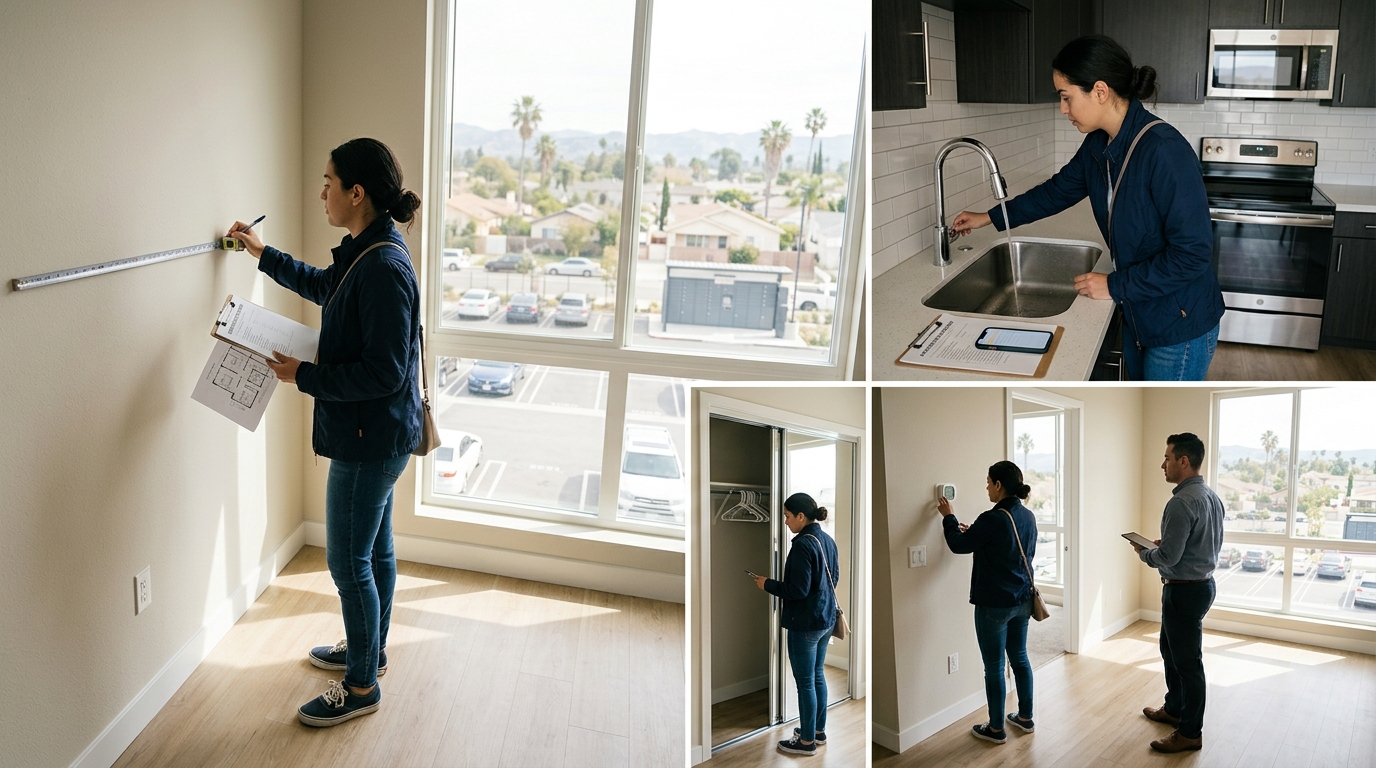
Apartment tours can move quickly. Attractive finishes may catch your attention while practical details such as water pressure, freeway noise, storage, parking, internet access, and total monthly cost receive less attention.
A consistent apartment tour checklist helps you inspect every property using the same standards. Instead of relying on first impressions, you can observe the condition, test permitted features, take measurements, ask focused questions, and document anything that needs clarification.
This checklist works for newer communities and older Los Angeles buildings. It supports your decision, but it does not replace a professional inspection or guarantee that one visit will reveal every issue.
Quick Answer: What Should You Look for on an Apartment Tour?
During an apartment tour, confirm the exact layout, room dimensions, natural light, storage, noise, water pressure, appliances, heating and cooling, cell reception, internet options, parking, package delivery, and community amenities.
Ask permission before testing appliances or taking photos. Confirm the total monthly cost, deposit, pet rules, lease terms, and whether the apartment shown is the one currently available. Take notes so you can compare each property using the same criteria.
Prepare Before the Apartment Tour
A productive tour begins before you arrive. Review the listing carefully and decide which details must be verified in person.
- Save the floor plan: Mark the bedroom placement, bathroom access, closets, windows, outdoor space, and possible furniture zones.
- Record the apartment details: Note the layout name, apartment number, listed square footage, rent, move-in date, and any advertised features.
- List your nonnegotiables: Limit this list to genuine requirements such as parking, air conditioning, laundry, pet rules, work space, or a specific move-in date.
- Bring furniture measurements: Record the size of your bed, sofa, desk, dining table, and other large pieces before touring.
- Use your phone as a tour tool: Take permitted photos, write notes, check cell reception, and record unresolved questions.
- Bring a tape measure: Check important furniture walls, closets, doorways, and outdoor spaces when the leasing agent allows it.
- Prepare your questions: Keep them focused on the exact apartment, its condition, current costs, and the next application steps.
Review SkyLA Tower’s studio, one-bedroom, and two-bedroom layouts before visiting so you know which room arrangements need closer attention. The property currently lists studio, one-bedroom, and two-bedroom homes, while noting that dimensions and configurations may vary.
The community photo gallery can help you preview finishes and shared spaces. Use the property video walkthrough separately to understand the overall flow, but do not assume either represents the exact available residence. SkyLA states that some images may be digitally altered or virtually staged.
Check the Exterior, Entrance, and Common Areas First
Begin evaluating the property as soon as you arrive.
Parking and Arrival
Confirm:
- Assigned or unassigned parking
- The exact space included
- Garage entrance and exit
- Guest parking
- Street permit rules
- EV charging availability and cost
- Loading and moving procedures
Seeing an open space does not mean it comes with the apartment.
Building Access
Observe:
- Entry system
- Keyless, fob, or key access
- Intercom
- Elevator
- Stairwells
- Mail area
- Lighting
- Posted access procedures
These are access features, not guarantees of safety.
Shared Areas
Look at:
- Hallways
- Lobby
- Elevators
- Trash areas
- Package area
- Laundry room, when applicable
- Posted closures
- Visible maintenance
Pause and listen for road noise, elevators, closing doors, trash pickup, construction, mechanical equipment, and activity in shared spaces.
Confirm That You Are Touring the Exact Apartment
Model homes and vacant residences may differ from the apartment you could actually lease.
Ask:
- Is this the exact available apartment?
- Is it the same floor plan?
- Are the finishes identical?
- Is it on the same floor?
- Do the windows face the same direction?
- Does it include the same patio or balcony?
- Are the appliances and flooring the same?
- When will the available home be ready?
Compare the physical space with the floor plan. Look at door swings, hallway width, window placement, bathroom access, kitchen circulation, closets, and uninterrupted walls for furniture.
Measure:
- Bed wall
- Sofa area
- Desk location
- Dining area
- Closet depth
- Refrigerator clearance
- Patio or balcony
Square footage does not show every narrow walkway or awkward corner. SkyLA’s current floor-plan page states that dimensions are approximate and that layouts can vary by residence.
Test the Apartment Interior Room by Room
Ask the leasing agent before operating appliances, running water, opening secured areas, or taking photographs.
Entry and Living Area
- Check the front door: Make sure it closes properly and ask how the lock or keyless-entry system works.
- Review furniture walls: Identify practical locations for seating, a television, shelves, and a work area.
- Test cell reception: Check calls or mobile data in the living room and other areas where you use your phone frequently.
- Observe natural light: Note the window direction and how the room may feel at different times of day.
- Listen with windows open and closed: This can reveal differences in traffic, freeway, construction, or mechanical noise.
- Check outlets: Make sure their locations support your desk, television, router, lamps, and chargers.
Kitchen
- Test the faucet with permission: Check the water pressure and how quickly the water becomes warm.
- Confirm the appliance package: Verify that the refrigerator, oven, range, microwave, and dishwasher belong to the actual home.
- Open cabinets and drawers: Check usable storage, hinges, shelves, and clearance.
- Inspect counter space: Consider where you would prepare food and store everyday appliances.
- Check ventilation: Ask how cooking air and odors are handled.
- Look for visible leaks or staining: Document concerns instead of trying to diagnose the cause.
Bathroom
- Check water pressure and temperature: Ask whether you may briefly run the sink and shower.
- Review ventilation: Confirm whether there is a fan or another moisture-control system.
- Inspect storage: Look at cabinets, shelves, medicine storage, and counter space.
- Check visible caulking and surfaces: Note cracks, staining, or areas that may need maintenance.
- Test the door: Make sure it closes properly and provides expected privacy.
- Confirm outlet placement: Check whether it supports your regular bathroom routine.
Bedroom and Closets
- Measure for your bed: Include room for doors, drawers, nightstands, and walking space.
- Inspect closet capacity: Check depth, shelving, hanging space, and door clearance.
- Consider the light direction: Morning and afternoon exposure may affect heat and brightness.
- Listen for noise: Pay attention to elevators, neighboring rooms, roads, or common areas.
- Locate outlets: Confirm that you can place the bed, lamps, chargers, or a desk where needed.
Laundry, HVAC, and Outdoor Space
- Review the washer and dryer: Check placement, door clearance, size, and who handles repairs.
- Confirm individual controls: Ask whether the thermostat controls the apartment’s central air and heat.
- Locate air vents: Consider whether furniture would block airflow.
- Measure outdoor space: Confirm that a patio or balcony is included with the exact home.
- Check sun exposure: Strong afternoon sun can affect heat and how often you use an outdoor area.
- Ask about outdoor rules: Confirm furniture, storage, grilling, and noise policies.
SkyLA currently lists in-home laundry, central air and heat, stainless steel appliances, keyless entry, and private patios or balconies in applicable residences. Exact fixtures and features may differ by apartment.
Review Modern Amenities and Practical Systems
An amenity matters only when its rules, availability, and costs fit your routine.
Internet and Cell Service
Check:
- Cell signal in major rooms
- Available internet providers
- Installation timing
- Equipment charges
- Router location
- Whether any Wi-Fi service is included
Packages, Deliveries, and Guests
Ask:
- Where packages are delivered
- Whether lockers are used
- How oversized packages are handled
- Whether there is a pickup deadline
- How delivery drivers enter
- How guests access the building
Fitness, Business, and Recreation Areas
Confirm:
- Operating hours
- Reservation requirements
- Guest rules
- Capacity
- Temporary closures
- Available equipment
- Internet access
- Additional charges
Parking and EV Charging
Verify:
- Assigned space
- Vehicle-size fit
- Charging registration
- Charging cost
- Guest parking
- Garage hours
- Moving-truck access
SkyLA currently lists controlled-access garage parking, ChargePoint EV charging, a fitness center, business center, recreation space, and keyless apartment entry. Review the current in-home and community amenities, then confirm access and costs directly.
Ask Tour-Specific Questions Before You Leave
Keep this part focused on the exact apartment and whether you have enough information to consider applying.
Costs and Availability
Ask:
- What is the total monthly leasing price?
- Which utilities are separate?
- Is parking included?
- Are required service charges added?
- What deposit applies?
- Is a holding payment required?
- Is the apartment still available?
- When would the lease begin?
Specials and Concessions
Confirm:
- Which apartments qualify
- When the discount is applied
- Gross rent
- Net effective rent
- Signing deadline
- Early-termination conditions
Promotions can change quickly, so rely on current written terms rather than an older advertisement.
Condition and Maintenance
Ask:
- Which concerns will be repaired before move-in?
- How are maintenance requests submitted?
- How are after-hours emergencies handled?
- When will the home be cleaned?
- Will there be a condition report?
- How can move-in photographs be reviewed?
California generally limits residential security deposits to one month’s rent, with a limited exception for certain qualifying small landlords. For tenancies beginning on or after July 1, 2025, landlords collecting a security deposit must photograph the unit immediately before or at the beginning of the tenancy. Renters should still take their own dated photos at move-in.
For a broader policy and cost review, use these important questions to ask before renting. The frequently asked questions about SkyLA Tower can also help confirm current property-specific details.
Watch for Apartment-Tour Red Flags
Potential concerns include:
- The exact apartment cannot be shown
- Important costs remain unclear
- Strong odors
- Visible water staining
- Doors or windows that do not close
- Missing promised appliances
- Unresolved maintenance concerns
- Significant unexpected noise
- Pressure to pay without written terms
- Refusal to provide receipts
- Conflicting answers
- Unclear parking assignment
- Verbal promises that are not documented
One concern does not automatically make an apartment unsuitable. Document it, ask for an explanation, request the proposed solution in writing, and decide whether the response is satisfactory.
Compare Your Notes After the Tour
Evaluate each property before the details blend together.
- Use the same scorecard: Rate total cost, layout, storage, light, noise, HVAC, parking, internet, amenities, pet fit, and leasing clarity from one to five.
- Label your photos: Include the property name, apartment number, room, and date so images remain easy to identify.
- List unresolved questions: Send one organized follow-up rather than relying on verbal memory.
- Separate needs from preferences: A home may lack a preferred finish while still meeting every genuine requirement.
- Remove apartments that fail nonnegotiables: This keeps attractive but impractical options from distracting you.
- Return at another time when practical: Check rush-hour traffic, evening noise, parking, sunlight, and weekend activity.
For more local planning, review this guide to renting an apartment in Van Nuys.
Compare the full monthly budget using the cost of living in Van Nuys guide.
Once you decide to apply, learn what the LA apartment approval process looks like.
Put Your Checklist to Work at SkyLA Tower
Renters comparing a newer apartment community in the San Fernando Valley can use this checklist to look beyond finishes and focus on how the apartment works in everyday life. Review the available studio, one-bedroom, and two-bedroom layouts, then compare room dimensions, storage, natural light, parking, internet access, in-home features, and shared amenities against your actual priorities.
A tour is also the best time to confirm whether the apartment shown is the exact home available, which features are included, and what costs apply before move-in. Bring your measurements, take notes, and ask for written clarification on anything that affects your decision when you schedule an apartment tour.
Frequently Asked Questions About Apartment Tours
What Should I Look for During an Apartment Tour?
Review the exact layout, storage, natural light, noise, water pressure, appliances, heating and cooling, laundry, internet options, parking, package delivery, amenities, and total monthly cost.
What Should I Test During an Apartment Tour?
With permission, test faucets, hot water, lights, windows, doors, the thermostat, cell reception, appliances, and in-home laundry. Do not operate unfamiliar equipment without approval.
Should I Take Photos During an Apartment Tour?
Ask permission first. Photos can help you compare the condition, storage, outlets, views, dimensions, and furniture fit. Take a new set of dated photos before moving belongings into the apartment.
What Are Common Apartment-Tour Red Flags?
Common concerns include unclear charges, refusal to show the exact unit, visible damage, moisture staining, doors or windows that do not close, missing promised appliances, unresolved repairs, and pressure to pay without written terms.
How Long Does an Apartment Tour Take?
Timing varies by property and apartment size. Allow enough time to view the exact residence, inspect shared amenities, measure important spaces, and ask questions without rushing.
Should I Visit the Neighborhood at Another Time?
When practical, return during likely commute hours or in the evening. This can help you evaluate traffic, noise, parking, sunlight, and access to destinations you expect to use regularly.
The post What to Look for on an Apartment Tour: The Complete Renter’s Checklist appeared first on SkyLA Tower Blog.
]]>The post How to Budget for Your First Apartment: A Step-by-Step Renter’s Guide appeared first on SkyLA Tower Blog.
]]>
Moving into your first apartment is exciting.
It can also feel overwhelming, especially when you start adding up rent, deposits, utilities, furniture, moving supplies, and everyday bills. Getting your first apartment is not just about finding a place you like. It is about knowing whether the full cost fits your real budget.
This is true whether you just graduated from college, are moving out on your own, or are starting a new job in the San Fernando Valley.
A smart budget can protect your checking and savings accounts before move-in day. It can also help you avoid stress after the lease starts.
Taking the leap to move into your first apartment is a major milestone. To make the transition smoother, it helps to balance your personal financial goals with your search for contemporary homes and modern apartments for rent near the Sherman Oaks community.
First Apartment Budget Checklist: Immediate Expenses to Track
To budget for your first apartment, start by listing your upfront move-in costs, monthly rent, utilities, furniture, transportation, food, insurance, and emergency savings. A first apartment budget checklist should include the security deposit, first month’s rent, application fees, moving expenses, basic household items, monthly bills, and a safety cushion. Knowing how to budget before signing a lease helps you know exactly how much money you need and reduces the risk of surprise costs.
Here are the main items to track:
- Upfront move-in cash: First month’s rent, security deposit, and any required fees.
- Application costs: Screening fees may apply for each adult applicant.
- Moving costs: Boxes and packing materials, truck rental, or professional movers.
- Monthly rent and utilities: Rent, electricity, water, trash, gas, and internet.
- Summer cooling costs: Van Nuys and nearby Valley areas can get hot, so electricity should be part of the plan.
- Household essentials: Mattress, dresser, kitchen basics, towels, cleaning supplies, and storage.
- Add-on fees: Parking, pet rent, storage, package services, or amenity-related costs.
- Emergency savings: A cushion for unexpected expenses after move-in.
Before you commit to a specific property layout, make sure to review crucial questions to ask before renting an apartment in Van Nuys so you can spot surprise costs early.
1. Calculating Upfront Move-In Costs and One-Time Expenses
Moving is a one-time expense, but it can require a large amount of cash upfront.
Many first-time renters focus only on the first month’s rent. That is a mistake. Moving into a new apartment usually costs more than one rent payment.
A safer plan is to have at least 2.5 to 3 times the monthly rent available before move-in. This can help cover rent, deposit, application costs, moving expenses, utility setup, and basic household items.
For example, if rent is $2,000 per month, a renter may want roughly $5,000 to $6,000 available before move-in. That does not mean every dollar goes to the property. It means the renter has enough cash to handle the full move without draining every account.
Common Upfront Costs to Budget For
A first-time renter should plan for:
- First month’s rent
- Security deposit
- Application or screening fees
- Administrative fees, if applicable
- Renters insurance
- Utility setup
- Internet setup
- Moving truck or movers
- Boxes and packing supplies
- Basic furniture
- Cleaning supplies
- Groceries for the first week
- Parking or pet-related fees, if applicable
Some renters may also hear the phrase “first and last month’s rent.” Rules and requirements can vary by property and local law, so ask the leasing team for an itemized move-in cost sheet.
Do not rely on rough estimates. Ask for the exact amount due before move-in and the deadline for each payment.
The Security Deposit
The security deposit is meant to cover unpaid rent, cleaning, or damage beyond normal wear, depending on the lease and applicable law.
Ask:
- How much is the security deposit?
- When is it due?
- What can be deducted from it?
- How do you document move-in condition?
- What is the move-out inspection process?
- How can I get the deposit back in full?
Take photos or videos at move-in. Save all communication with the landlord or property manager. This can help protect your deposit later.
Moving Yourself vs. Hiring Movers
Moving yourself may seem cheaper, but it still costs money.
You may need boxes, tape, packing materials, a rental truck, gas, and help from friends or family. Hiring professional movers costs more upfront, but it can save time and reduce stress if you have heavy furniture.
Budget for:
- Moving truck rental
- Professional movers
- Boxes and packing materials
- Furniture protection
- Elevator or parking reservations
- Tips, if you choose to tip movers
- Extra time off work, if needed
Moving is a one-time expense, but it can affect your budget for months if you do not plan for it.
Navigating these initial costs becomes easier when you use a comprehensive Van Nuys renter guide to understand local apartment expectations and neighborhood basics.
2. Determining How Much You Can Afford for Monthly Rent and Utilities
After move-in costs, look at your monthly budget.
The goal is not only to qualify for an apartment. The goal is to afford it comfortably after rent and bills are due.
A common rule of thumb is to keep housing costs around 30% of your monthly income. Some renters use gross income, while others prefer take-home pay because it shows the money they actually receive after taxes and deductions.
For a first apartment budget, take-home pay often gives a more realistic picture.
Start With Take-Home Pay
Write down your monthly take-home pay.
Then subtract current expenses such as:
- student loans
- car payment
- car insurance
- phone bill
- groceries
- gas
- subscriptions
- debt payments
- health costs
- savings goals
- personal spending
After that, you can figure out how much you can afford to spend on rent and utilities.
A renter should not use every leftover dollar for rent. You still need money to save each month, handle unexpected expenses, and enjoy normal life.
Combine Rent and Utilities
A listing may show the monthly rent, but that is not the full monthly cost.
Your apartment expenses may include:
- rent
- electricity
- water
- trash
- sewer
- gas
- internet
- parking
- pet rent
- renters insurance
Some utilities may be billed directly to the renter. Others may be billed through the property. Some buildings may use a shared utility billing system, while others may meter units individually.
Ask how each utility is handled before applying.
Budget for Valley Summer Electricity
Van Nuys and the Sherman Oaks area can get hot in summer.
That means air conditioning can affect your monthly budget. A modern central air system may feel different from an older wall unit, and energy-efficient appliances can help keep costs more stable.
Ask:
- Does the apartment have central air?
- Is the air conditioning system energy-efficient?
- Who pays for electricity?
- Is there a smart thermostat?
- What is the average summer electricity range?
- Are appliances energy-efficient?
This is one of the most overlooked parts of apartment budgeting in the San Fernando Valley.
To gain a clear view of your future monthly overhead, review the local cost of living realities in Van Nuys before touring potential apartments.
3. Planning for Furnishing, Hidden Fees, and Lifestyle Costs
Your first apartment may be empty when you get the keys.
That empty space can be exciting, but it can also get expensive. A one-bedroom apartment may need more items than a bedroom at home or a shared dorm room.
The goal is not to buy everything at once. The goal is to buy what you need first.
The True Cost of Empty Spaces
Start with essentials.
A first-time renter may need:
- mattress
- bed frame
- dresser
- sofa or small seating
- table or desk
- kitchenware
- towels
- shower curtain
- cleaning supplies
- laundry basket
- trash cans
- lamps
- basic tools
- storage bins
- first-aid supplies
A dresser, mattress, and cooking basics may matter more than decor. You can add artwork, rugs, and extra furniture later.
Use a budget worksheet or budget template to divide items into three groups:
- Need before move-in
- Need during the first month
- Can wait until later
This helps you avoid overspending on furniture and household items.
Budget for Your Work Setup
Many young professionals and recent graduates work from home at least part of the week.
If that applies to you, include a small office space in your first apartment budget. You may need a desk, chair, monitor, lamp, extension cord, or internet upgrade.
A work-from-home setup can affect which floor plan makes sense.
When you are ready to sketch out your space needs, you can compare various neighborhood housing options to see what style fits your financial comfort zone.
From there, you can browse upscale floor plans to decide whether a studio, one-bedroom, or two-bedroom layout works best for your furniture setup.
Watch for Hidden Monthly Fees
Hidden fees can change your budget.
Ask about:
- assigned parking
- gated parking access
- pet rent
- pet fees
- trash valet
- storage lockers
- package services
- amenity fees
- internet setup
- renters insurance
- late payment fees
Some of these may be optional. Others may be required.
A building with on-site fitness and leisure amenities may also help you save money if it reduces the need for a separate gym membership or paid recreation space.
Track Your Spending After Move-In
Your first month in a new apartment is not the end of budgeting.
Track your spending for the first 60 to 90 days. This helps you see what your real monthly expenses look like.
Track:
- groceries
- utilities
- takeout
- gas
- rideshare
- parking
- streaming services
- laundry
- pet costs
- home supplies
This can help you avoid late payments and adjust before small issues become bigger problems.
4. Choosing Your Budgeting Method and Finalizing the Lease
A budget works best when it is easy to follow.
You do not need a complex system. You need a simple method that helps you pay bills on time, save each month, and avoid spending money you need for rent.
Try the 50/30/20 Budgeting Method
The 50/30/20 method is a popular budgeting method.
It divides take-home pay into three groups:
- 50% for needs: Rent, utilities, groceries, transportation, insurance, and required bills.
- 30% for wants: Dining out, streaming services, hobbies, shopping, and entertainment.
- 20% for savings and debt: Emergency savings, financial goals, and extra debt payments.
This method may need adjustment if rent is high. Still, it gives first-time renters a helpful starting point.
Build a Safety Cushion
A renter should not move in with zero savings.
Try to keep a cushion for unexpected expenses. Ideally, build toward three months’ worth of living expenses over time.
This helps cover:
- car repairs
- medical costs
- job changes
- higher summer utility bills
- furniture needs
- emergency travel
- temporary income changes
The cushion does not need to be perfect on day one. Start with what you can and build it slowly.
Ask the Right Questions Before Signing
Before signing the lease, ask the landlord or property manager:
- What is the exact total due before move-in?
- What payment methods are accepted?
- Is there a grace period?
- What fees are nonrefundable?
- Which utilities are included?
- How are utilities billed?
- Is parking included?
- Is renters insurance required?
- Are there pet fees or pet rent?
- How are maintenance requests handled?
- What happens if I need to renew or move out?
These questions to ask before renting an apartment can protect your budget and help you compare communities clearly.
Location also matters. Choosing an apartment near major employment hubs and public transportation routes offers practical reasons to enjoy living near Sherman Oaks, especially if it helps reduce fuel costs or commute stress.
When you find a community that fits your budget, you can schedule an in-person walkthrough or a virtual tour to verify the apartment, amenities, and building quality before applying.
First Apartment Budget Example
Here is a simple sample budget for a first-time renter.
| Budget Item | Example Amount |
|---|---|
| Monthly rent | $2,000 |
| Electricity | $100 |
| Water/trash/sewer | $75 |
| Internet | $60 |
| Parking | $100 |
| Renters insurance | $20 |
| Groceries | $350 |
| Phone | $70 |
| Transportation | $250 |
| Streaming services | $40 |
| Savings | $300 |
| Emergency cushion | Varies |
This is only an example. Actual costs depend on the apartment, lease, lifestyle, and location.
The key is to build your own budget before you apply.
Frequently Asked Questions About Apartment Budgeting
What is the 50/30/20 budgeting method for renters?
The 50/30/20 budgeting method divides take-home pay into three categories: 50% for needs like rent, utilities, and groceries; 30% for wants like dining out, streaming services, and hobbies; and 20% for savings, debt payments, or financial goals. Renters can adjust the method based on local housing costs.
How much money should a first-time renter save before moving out?
A first-time renter should try to save at least 2.5 to 3 times the target monthly rent before moving out. This can help cover first month’s rent, a security deposit, application fees, utility setup, moving expenses, and basic household items while leaving a small cushion for unexpected expenses.
Are there any hidden fees in modern apartment buildings?
Yes, some apartment buildings may charge separate fees for assigned parking, storage lockers, pet rent, package services, trash valet, or certain community features. Renters should ask the property manager for a complete itemized list of required and optional fees before signing a lease.
Does a utility bill usually include internet and cable?
No, internet, cable, phone plans, and streaming services are usually separate from standard utility charges. Renters should list these items separately on a budget worksheet so they do not underestimate monthly expenses.
How can I build an apartment budget if my monthly income varies?
If your monthly income varies, build your first apartment budget using your lowest consistent earning month from the past year. This conservative approach helps you cover rent and bills during slower months, while higher-earning months can go toward savings or financial goals.
Final Thoughts: Budget First, Then Apply
Your first apartment should feel exciting, not financially stressful.
A clear budget helps you understand the full cost of moving, not just the rent listed online. It also helps you plan for utilities, furniture, moving costs, parking, pet fees, and emergency savings.
Before applying, calculate your upfront cash, monthly expenses, and savings cushion. Then compare apartments based on the full cost of living, not just the base rent.
SkyLA Tower Apartments offers modern apartment living near Van Nuys and the Sherman Oaks area, with floor plan options, amenities, and leasing resources that can help renters make a confident decision.
To ask about current pricing, availability, tour options, or move-in costs, speak directly with our leasing team.
Source / Accuracy Note
This guide was created to help first-time renters budget for their first apartment using renter-focused planning, California rental context, property research, and San Fernando Valley cost considerations. Rental prices, move-in costs, application fees, deposits, utility billing, parking fees, pet fees, amenities, lease terms, and local conditions can change, so renters should verify current details before applying or signing a lease.
The post How to Budget for Your First Apartment: A Step-by-Step Renter’s Guide appeared first on SkyLA Tower Blog.
]]>The post Important Questions to Ask Before Renting an Apartment in Van Nuys appeared first on SkyLA Tower Blog.
]]>The most important questions to ask before renting are about total monthly cost, utilities, parking, security deposit rules, maintenance, lease terms, pet policies, guest rules, renters insurance, and renewal options. Asking these questions before applying can help you make an informed decision and avoid surprise fees later.
Here are the key questions to ask before renting:
- What is the exact total due each month, and what fees are included in the rent?
- How are utilities calculated, and are they metered individually?
- What is the security deposit, and what are the rules to get the deposit back in full?
- How does parking work, and are spaces assigned, gated, reserved, or shared?
- How do tenants submit maintenance requests, and how are emergency repairs handled?
- Is there a grace period for rent payments, and what is the exact late fee?
- What are the pet policies, upfront pet fees, and monthly pet rent costs?
- What are the rules for lease renewal or moving to a month-to-month agreement?
- Does the building require renters insurance before move-in?
- What is the guest policy for overnight visitors or hosting friends?
To better understand local rental expectations before signing a lease agreement, this detailed Van Nuys rental guide can help you compare neighborhood context and daily living needs.
1. Financial Questions: Monthly Rent, Deposits, and Utilities
Money questions should come first.
Before you apply, ask for the full monthly cost in writing. The monthly rent may be the biggest number, but it is not always the final amount you will pay.
A renter should ask what is included in the rent and what is billed separately.
Ask What the Monthly Rent Includes
Start with a direct question:
“What is included in the rent, and what will I pay separately each month?”
Ask about:
- base monthly rent
- water
- trash
- sewer
- electricity
- gas
- internet
- parking
- pet rent
- storage
- renters insurance
- package lockers
- amenity fees
- other additional fees
Also ask about payment methods.
Some communities may use an online tenant portal. Others may allow bank transfers or other payment systems. Ask whether there are processing fees for certain payment methods.
Ask How Utilities Are Calculated
Utilities can make a large difference in your monthly budget.
Some apartments have individually metered utilities. This means you pay based on your own usage. Other buildings may use a Ratio Utility Billing System, often called RUBS.
With RUBS, certain building-wide costs, such as water, sewer, or trash, may be divided among tenants based on a formula. That formula may consider square footage, number of occupants, or other factors.
Ask these questions:
- Are utilities included in the rent?
- Are units individually metered?
- Does the property use RUBS?
- Which utilities are billed through the property?
- Which utilities do I set up myself?
- Can I see an average utility range for this apartment size?
This is important because two apartments with the same rent can have very different monthly costs.
Ask About Air Conditioning and Summer Costs
Van Nuys summers can get hot, so cooling matters.
Ask whether the unit has central air, a wall unit, or another cooling setup. This can affect comfort and electricity costs during warmer months.
Ask:
- Does the apartment have central air?
- Is the cooling system shared or individual?
- Who pays the electricity bill?
- Are there smart thermostats or energy-efficient systems?
- What is the average electricity cost in summer?
A lower rent may not feel like a better deal if the cooling system is inefficient or expensive to run.
Ask About the Security Deposit
The security deposit is another key detail.
Ask how much is due, when it is due, and what may be deducted after move-out. Also ask what the property considers normal wear and tear versus damage beyond normal wear.
Ask:
- How much is the security deposit?
- Is any part of the move-in cost nonrefundable?
- What is the move-out inspection process?
- How do I get my deposit back in full?
- What counts as normal wear and tear?
- What counts as damage?
- When will I receive an itemized list of deductions, if any?
Normal wear and tear may include minor signs of everyday use. Damage may include broken fixtures, deep stains, large holes, or repairs beyond normal use.
Before committing to a lease, get a clear breakdown of the cost of living in Van Nuys so you can budget for both base rent and local utility fees.
2. Contractual Questions: Lease Terms, Renewals, and Policies
A lease agreement is more than a move-in document.
It controls what happens during the lease term, what rules apply, and what options you have if your plans change. Read it carefully before signing a lease.
Ask About the Lease Term
Start with the basics.
Ask:
- How long is the lease term?
- Is this a 12-month lease?
- Are shorter lease options available?
- What happens at the end of the lease?
- Does it renew automatically?
- Can it become month-to-month?
- How much notice is required before moving out?
These questions matter if you are relocating for work, testing a new neighborhood, or unsure how long you plan to stay.
Ask About Rent Payments and Late Fees
Rent payment rules should be clear.
Ask:
- When is rent due?
- Is there a grace period?
- What is the late fee?
- How is the late fee calculated?
- How do I pay rent?
- Are there fees for online payments or card payments?
Do not rely on verbal answers only. Make sure the lease agreement matches what the landlord or property manager tells you.
Ask About Breaking a Lease, Subletting, and Roommates
Life can change.
You may get a new job, move in with a partner, need a roommate, or leave the area earlier than expected. Ask about these situations before you sign.
Ask:
- What happens if I need to break the lease early?
- Are there early termination fees?
- Can I sublet the apartment?
- Can I add a roommate later?
- Does every adult need to apply?
- Does a new tenant need approval?
- What happens to the security deposit if roommates change?
If a landlord or property manager does not allow subletting or roommate changes, you need to know that before moving in.
Ask About Guest Policies
Guest rules can affect your daily life.
Ask:
- Are overnight guests allowed?
- How many nights can a guest stay?
- Do long-term guests need approval?
- Are there parking rules for guests?
- Are there pool, fitness center, or amenity guest rules?
This is especially important if you often host friends or family.
As you review your contract options, it helps to compare local housing options directly to see how different apartment types and management styles may affect your rental experience.
3. Property Management Questions: Maintenance and Building Care
A well-managed building can make daily life easier.
Before renting, ask how the property manager handles maintenance, repairs, pest control, and building updates. This can tell you a lot about how the community operates after move-in.
Ask How Maintenance Requests Work
Ask your landlord or leasing team:
- How do tenants submit maintenance requests?
- Is there an online portal?
- What is the average response time?
- How are urgent requests prioritized?
- Who handles repairs inside the unit?
- Will I receive updates on the request?
A clear maintenance process helps prevent confusion later.
Ask How Emergency Repairs Are Handled
Emergency repairs need a different process.
Ask how the team handles emergency repairs after hours, on weekends, and during holidays.
Ask:
- What counts as an emergency repair?
- Who do I call after office hours?
- How are water leaks handled?
- What happens if I am locked out?
- How are urgent electrical or plumbing issues reported?
You do not want to search for this information during an actual emergency.
Ask About Renovation, Pest Control, and Common Areas
Building care also matters.
Ask:
- Are there any planned renovation projects?
- Will construction affect my floor or unit?
- How often are common areas cleaned?
- How does the property handle pest control?
- How are elevators, hallways, and shared spaces maintained?
- Are there quiet hours during construction or repairs?
Renovation work can affect noise, parking, access, and daily comfort. It is better to know early.
To observe how a well-maintained community looks before scheduling an in-person visit, you can take a digital walk through our spaces via a virtual tour and review the building’s common areas.
4. Lifestyle Questions: Parking, Pets, and Neighborhood Access
The best apartment is not only about the unit.
Parking, pets, public transportation, freeway access, and neighborhood convenience can shape your daily routine. These lifestyle details can make a place feel like home or create frustration after move-in.
Ask About Parking Rules
Parking is a major question in Van Nuys and the wider Los Angeles area.
Many traditional buildings may offer tandem parking, limited assigned spaces, or street parking only. This can be hard if you have a roommate, a partner, or more than one vehicle.
Ask:
- How many parking spaces come with the unit?
- Are spaces assigned?
- Are they gated?
- Are they reserved?
- Is parking included in rent?
- Is there a fee for a second vehicle?
- Is guest parking available?
- Is the parking tandem or side-by-side?
- What happens if someone parks in my assigned space?
Tandem parking means two vehicles park end-to-end in one long space. This can work for some households, but it requires coordination.
If you are renting a two-bedroom apartment with a roommate, parking rules are especially important. Ask whether each person gets a separate space or whether both vehicles share one tandem space.
Buildings with dedicated, gated parking can solve a common Valley headache, but every property handles parking differently.
Ask About Pet Policies
Pet-friendly does not always mean simple.
Ask for the exact pet policies before applying.
Questions include:
- Are pets allowed?
- Are there breed or weight restrictions?
- Is there a pet fee?
- Is there monthly pet rent?
- Is there a pet deposit?
- Are there limits on the number of pets?
- Are there pet-friendly outdoor areas?
- Are pets allowed in common areas?
Do not assume the rules based on online photos. Pet policies can vary by building, lease, and insurance requirements.
To find a space that works for your furniture, lifestyle, and pets, take a moment to explore available floor plans online.
Ask About Neighborhood Access and Transportation
Location can affect your weekly routine just as much as rent.
Ask how close the building is to public transportation, grocery stores, freeway access, and daily services. For Van Nuys renters, proximity to major routes like the 101 and 405 can matter depending on where you work.
Ask:
- How close is the nearest public transportation stop?
- What commute routes are nearby?
- How long does it take to reach the 101 or 405?
- Are grocery stores and pharmacies nearby?
- Is guest parking available for visitors?
- What are traffic patterns like during rush hour?
Living near convenient transit lines offers many reasons to love living near the Sherman Oaks area, especially if you want access to both Van Nuys and nearby Valley neighborhoods.
Evaluating layout choices alongside premium residential community amenities can also help you decide whether your next apartment supports your daily routine.
Renter Checklist Table: What to Ask Before You Apply
Use this quick table during tours or application reviews.
| Category | Questions to Ask |
|---|---|
| Monthly Cost | What is the full monthly cost, including rent, utilities, parking, and fees? |
| Deposit | How much is the security deposit, and how can I get the deposit back in full? |
| Utilities | Are utilities included, individually metered, or billed through RUBS? |
| Parking | Are spaces assigned, gated, reserved, tandem, or street-only? |
| Lease | What is the lease term, renewal process, late fee, and grace period? |
| Maintenance | How do tenants submit requests, and how are emergency repairs handled? |
| Pets | What are the pet policies, pet fee, pet rent, and restrictions? |
| Guests | What is the guest policy for overnight visitors? |
| Insurance | Is renters insurance required before move-in? |
| Neighborhood | How close are public transportation, freeways, stores, and daily services? |
Frequently Asked Questions About Renting in Van Nuys
Is renters insurance mandatory before signing a lease in Los Angeles?
California state law does not automatically require every renter to carry renters insurance, but many apartment communities and property managers may require proof of a policy before move-in. Renters insurance can help protect personal belongings from covered events, so renters should ask about policy requirements early.
What is considered normal wear and tear versus damage beyond normal wear?
Normal wear and tear usually means minor signs of regular use, such as light scuffs or small nail holes. Damage beyond normal wear may include broken fixtures, large holes, deep stains, missing items, or repairs caused by misuse. Ask the property manager for written move-out standards before signing.
How does tandem parking work in San Fernando Valley apartments?
Tandem parking means two vehicles park end-to-end in one long space. This setup often requires roommates or household members to coordinate schedules so one car does not block the other. Renters with two vehicles should ask whether side-by-side, reserved, or gated parking is available.
What happens to my security deposit if I need to add a new tenant later?
Adding a new tenant or roommate usually requires formal approval from the landlord or property manager. The new person may need to apply, qualify, and sign updated lease documents. Ask whether the original deposit stays with the unit until the full lease ends or whether any transfer process applies.
Are landlords allowed to charge separate application fees for every adult?
In California, rental applicants may be charged an application screening fee to help cover screening costs such as credit reports and background checks. Each adult applicant may be screened separately, but renters should ask for the current fee amount, what it covers, and whether any unused portion is returned.
What is a standard grace period for rent payments in the area?
Grace periods depend on the lease agreement and property policy. Many leases state rent is due on the first day of the month, with any grace period and late fee explained in writing. Renters should confirm the exact due date, payment methods, grace period, and late fee before signing.
Final Thoughts: Ask Better Questions Before You Rent
The best apartment decision starts before the application.
When you ask the right questions, you can compare rent, utilities, parking, pet rules, maintenance, and lease terms with more confidence. You also reduce the risk of surprise costs after move-in.
For Van Nuys renters, details like parking type, air conditioning, utility billing, and freeway access can make a real difference in daily life.
SkyLA Tower Apartments offers a helpful example of what renters should look for: clear floor plan options, modern community features, virtual tours, and a leasing team that can answer practical questions before you apply.
To ask about availability, leasing details, current fees, or tour options, get in touch with our leasing office team.
Source / Accuracy Note
This guide was created to help renters understand questions to ask before renting an apartment in Van Nuys using renter-focused planning, California rental context, property research, and local San Fernando Valley considerations. Rental prices, availability, deposits, application fees, lease terms, utility billing, parking rules, pet policies, renters insurance requirements, transit access, and local conditions can change, so renters should verify current details before applying or signing a lease.
The post Important Questions to Ask Before Renting an Apartment in Van Nuys appeared first on SkyLA Tower Blog.
]]>The post Cost of Living in Van Nuys, CA: What Renters Should Know appeared first on SkyLA Tower Blog.
]]>
The cost of living in Van Nuys, CA can feel more approachable than some nearby Los Angeles neighborhoods, but renters should still plan carefully. Affordability in LA is relative, and the real monthly total includes more than rent alone.
Van Nuys sits in the San Fernando Valley with access to nearby areas like Sherman Oaks, Lake Balboa, North Hollywood, and Studio City. That location can be useful for people who want Valley convenience without paying for some of LA’s most expensive rental markets.
Still, your Los Angeles apartment budget should include housing costs, utilities, internet, transportation, parking, groceries, pet fees, move-in expenses, and emergency savings.
This guide breaks down what renters usually underestimate when building a realistic rental budget for the area.
Quick Answer: Is Van Nuys Affordable for Renters?
Van Nuys is often more approachable than some nearby Los Angeles neighborhoods, but renters should still expect higher-than-average living costs compared to many parts of the country.
Recent rent data varies by source. Apartments.com lists the average rent in Van Nuys at $1,649 per month as of May 2026, while RentCafe reports a higher average of $2,102 as of April 22, 2026.
Your real cost depends on apartment size, commute, parking, utilities, amenities, and lifestyle needs. The best rental budget should account for total monthly expenses, not only advertised rent.
Quick Van Nuys Renter Budget Checklist
Before choosing an apartment, budget for:
- Monthly rent: Your largest recurring housing expense.
- Utilities and internet: Electricity, gas, water, trash, sewer, and Wi-Fi may be separate.
- Groceries and household basics: Food, cleaning supplies, paper goods, and everyday items add up.
- Parking or transportation: Include gas, insurance, public transit, rideshare, or parking fees.
- Renter’s insurance: Some leases may require proof of coverage.
- Pet fees, if applicable: Pet rent, deposits, grooming, and vet care can affect your monthly plan.
- Move-in costs and deposits: Plan for application fees, deposits, movers, furniture, and setup costs.
- Emergency savings: A small cushion can help with unexpected bills after move-in.
Average Rent in Van Nuys, CA
Apartment rent in the neighborhood varies depending on unit size, location, amenities, building age, and proximity to nearby areas like Sherman Oaks.
Rent averages also differ by source because platforms use different data sets, listing inventory, update schedules, and property types. That is why it is better to use rent data as a planning range, not a fixed number.
Apartments.com reports the average rent in Van Nuys at $1,649 per month as of May 2026. It lists studio apartments around $1,478, one-bedroom apartments around $1,649, two-bedroom apartments around $2,135, and three-bedroom rentals around $2,563.
RentCafe reports a higher local average of $2,102 as of April 22, 2026, with studios around $1,628, one-bedrooms around $1,950, and two-bedrooms around $2,576.
Van Nuys Rent Comparison Table
| Apartment Size | Apartments.com Estimate | RentCafe Estimate | Budget Takeaway |
|---|---|---|---|
| Studio | About $1,478 | About $1,628 | Usually the lowest-cost apartment type |
| One-bedroom | About $1,649 | About $1,950 | Better for renters wanting more privacy |
| Two-bedroom | About $2,135 | About $2,576 | Often useful for roommates or shared households |
| Three-bedroom | About $2,563 | N/A | More limited and usually higher-cost |
These estimates show why renters should compare current listings directly.
If you are deciding between layouts, SkyLA Tower offers studio, one-bedroom, and two-bedroom floor plans near Sherman Oaks. Its floor plans page describes modern studio, one-, and two-bedroom apartments, plus penthouse options.
Monthly Expenses Renters Should Budget For
Rent is usually the largest expense, but apartment living also includes utilities, internet, transportation, groceries, parking, and recurring lifestyle bills.
A unit that looks affordable at first may feel tight once every bill is included. This is why renters should build a full monthly plan before applying.
Sample Monthly Renter Budget Table
| Budget Category | What to Include | Why It Matters |
|---|---|---|
| Fixed housing costs | Rent, renter’s insurance, parking if needed | These are predictable monthly payments |
| Variable living costs | Utilities, groceries, gas, laundry, pet needs | These can change month to month |
| Lifestyle costs | Subscriptions, dining, fitness, household items | These affect daily comfort and flexibility |
| Savings | Emergency fund, future move, furniture upgrades | These help reduce financial stress |
Monthly Bills to Include
- Utilities: Electricity, gas, water, trash, and sewer may vary by apartment and usage.
- Internet costs: Wi-Fi is often a separate monthly bill.
- Groceries: Food spending can change depending on household size and habits.
- Transportation: Include gas, rideshare, public transit, car insurance, and maintenance.
- Parking: Ask whether parking is included, assigned, garage-based, or charged separately.
- Subscriptions: Streaming, apps, delivery memberships, and fitness plans add up.
- Pet expenses: Pet rent, food, grooming, and vet care may affect the monthly total.
- Renter’s insurance: Some leases may require proof of coverage.
- Laundry: In-home laundry can reduce trips to laundromats or shared laundry rooms.
- Emergency savings: Even a small monthly cushion can help with unexpected charges.
Amenities can also change how much you spend outside the home. Features like in-home laundry, fitness access, parking, or work-from-home spaces may reduce outside expenses depending on how you use them.
If you are comparing convenience features, review SkyLA Tower’s apartment amenities that support everyday convenience. The amenities page lists features such as in-home washer and dryer, furnished units available, gourmet kitchen, keyless entry, controlled access garage parking, business center, fitness center, and Electric Car Charging by ChargePoint.
Transportation and Commute Costs in Van Nuys
Transportation costs in Los Angeles can significantly affect overall affordability depending on commute distance, freeway access, parking, and how often you drive.
This part of the Valley can be convenient for people who need access to different areas of Los Angeles. SkyLA Tower’s homepage notes that the community is moments away from the 101 and 405 freeways, allowing access in either direction.
Still, freeway access does not guarantee a low-stress commute. Traffic, gas prices, insurance, parking, and maintenance can all affect your real housing budget.
Commute Costs to Consider
- Gas: Longer drives can increase weekly fuel spending.
- Parking: Apartment parking and work parking may both matter.
- Car insurance: Los Angeles-area insurance can be a major recurring bill.
- Maintenance: Tires, oil changes, repairs, and registration should be included.
- Public transit: Transit may help some renters, depending on work location.
- Commute time: A lower rent may not feel worth it if the commute is draining.
- Work-from-home needs: Remote or hybrid work can reduce transportation spending.
Renters commuting around the Valley may want to compare daily routes before choosing a lease.
For more planning context, read about commuting from Van Nuys or Sherman Oaks.
Hidden Costs Renters Often Forget About
Many people underestimate smaller recurring expenses that can significantly affect apartment affordability.
These costs may not look large on their own, but together they can change whether a home feels comfortable or financially tight.
Common Hidden Apartment Costs
- Security deposit: Often due before move-in and separate from rent.
- Application fees: Screening or application charges may apply.
- Pet rent or pet fees: Pet-related costs vary by property.
- Move-in expenses: Movers, boxes, truck rentals, and supplies can add up.
- Utility setup: Some providers may require activation fees or deposits.
- Internet installation: Equipment, setup, or activation charges may apply.
- Furniture expenses: Beds, desks, sofas, and kitchen basics can be expensive.
- Parking fees: Parking may not always be included in base rent.
- Storage costs: Extra storage may be needed if the unit has limited closet space.
- Renter’s insurance: This may be required by the lease.
A good rental budget should include both upfront costs and recurring bills. That way, you are not surprised by the total amount needed before and after move-in.
How Van Nuys Compares to Nearby LA Areas
Compared to some nearby Los Angeles neighborhoods, Van Nuys often offers a better balance between convenience, apartment size, and monthly housing costs.
That does not mean the area is cheap. A better way to frame it is that this part of the Valley may feel more approachable than areas like Sherman Oaks, Studio City, or Encino while still offering useful San Fernando Valley access.
RentCafe reports the broader Los Angeles average apartment rent at $2,742, compared with $2,102 for Van Nuys.
Nearby Area Comparison
| Area | What Renters May Notice | Budget Takeaway |
|---|---|---|
| Sherman Oaks | Often closer to Ventura Boulevard dining and shopping | May cost more depending on location and building type |
| Encino | Residential feel with Valley access | Pricing can vary widely by property |
| Studio City | Strong entertainment and commute appeal | Often competitive and higher-demand |
| Lake Balboa | More residential and park-adjacent feel | May appeal to renters prioritizing calm and access |
| North Hollywood | Transit and arts district access | Can vary sharply by micro-location |
| Van Nuys | Central Valley location and apartment variety | Often more approachable than some nearby LA neighborhoods |
The neighborhood can work well for renters who want San Fernando Valley access without focusing only on prestige areas. For more local context, review this guide to living in Van Nuys, CA.
Why Apartment Features Can Affect Your Real Cost of Living
Apartment features and amenities can influence housing costs because convenience often reduces outside spending and daily stress.
A lower-rent unit may not always be the best value if it lacks parking, laundry, storage, or efficient appliances. On the other hand, a modern community with useful features may help reduce outside spending or make daily routines easier.
Features That Can Affect Real Monthly Value
- In-home laundry: Can reduce laundromat trips, laundry fees, and time spent outside.
- Garage parking: May reduce street-parking stress and improve daily convenience.
- EV charging: Helpful for electric vehicle owners when available.
- Fitness center access: May reduce the need for a separate gym membership.
- Business center: Can support remote or hybrid work.
- Private balcony or patio: Adds outdoor space without leaving home.
- Gourmet kitchen: Can support more cooking at home if you use it regularly.
- Walk-in closets: More storage can reduce clutter or extra storage needs.
- Furnished units: Useful for renters who want fewer setup costs.
SkyLA Tower’s official pages list apartment and community features such as furnished units available, in-home washer and dryer, gourmet kitchen, private balcony or patio, keyless entry, walk-in closets with built-in shelving, controlled access garage parking, business center, fitness center, and ChargePoint EV charging.
If you want to compare apartment quality and layout details, explore SkyLA Tower’s modern residences in Van Nuys.
Comparing Apartments to Other Housing Options
Apartments can offer more predictable monthly expenses and lower maintenance responsibilities compared to houses or condos.
This matters when you are trying to control your rental budget. A house may offer more space, but it may also come with higher rent, more upkeep, yard responsibilities, or higher utility usage. A condo may include owner-specific rules or fees that vary by unit.
Why Apartments Can Be Easier to Budget
- Maintenance support: Many apartment communities handle repair requests.
- Shared amenities: Fitness centers, lounges, or outdoor spaces may be included.
- More predictable setup: Apartment leases often make responsibilities clearer.
- Parking options: Some communities offer assigned or garage parking.
- Flexible layouts: Studios, one-bedrooms, and two-bedrooms can fit different budgets.
- Lower upkeep: Renters usually avoid major property maintenance tasks.
This does not mean apartments are always cheaper. It means they may be easier to compare when you are looking at rent, amenities, parking, and responsibilities. If you are still weighing the broader market, review this guide to comparing housing options in Van Nuys.
Planning Your Move and Apartment Search
The best rental budget is one that balances monthly affordability with long-term convenience, quality, and lifestyle needs. Before applying, compare the full monthly total. Look at rent, utilities, parking, transportation, pet expenses, internet, move-in costs, and the features that make everyday life easier. If you are still early in the process, this guide to renting an apartment in Van Nuys can help with planning. You can also browse the SkyLA Tower photo gallery to see the community and apartment spaces. If you prefer to explore online first, start with a virtual tour before scheduling an in-person visit.
When you are ready to ask about availability, pricing, parking, floor plans, or amenities, you can contact the leasing team.
Frequently Asked Questions About the Cost of Living in Van Nuys, CA
Is Van Nuys cheaper than nearby Los Angeles neighborhoods?
Van Nuys is often more approachable than some nearby neighborhoods like Sherman Oaks, Studio City, and parts of Encino.
However, it is still part of Los Angeles, so renters should budget carefully for rent, transportation, utilities, and move-in costs.
How much should renters budget monthly in Van Nuys?
Budget for rent, utilities, internet, groceries, transportation, parking, renter’s insurance, pet expenses if applicable, and emergency savings.
The exact amount depends on apartment size, commute, lifestyle, and whether parking or utilities are included.
Are utilities expensive in Van Nuys apartments?
Utility costs vary depending on unit size, building systems, season, and personal usage.
Ask which utilities are included and which bills need to be set up separately before signing a lease.
Does parking usually cost extra in Los Angeles apartments?
Parking policies vary by property.
Some apartments include parking, while others charge separately or have limited availability. Always ask about parking costs before building your monthly plan.
What apartment features help renters save money long term?
In-home laundry, included parking, fitness centers, efficient appliances, EV charging, and work-from-home spaces may help reduce outside costs.
The value depends on whether you actually use those features.
Is Van Nuys a good area for commuters?
Van Nuys can work well for some commuters because of its San Fernando Valley location and access to major routes like the 405 and 101 freeways.
However, commute times depend heavily on destination, traffic, and time of day.
The post Cost of Living in Van Nuys, CA: What Renters Should Know appeared first on SkyLA Tower Blog.
]]>The post Apartments with the Best Amenities Near Sherman Oaks appeared first on SkyLA Tower Blog.
]]>
Finding the right apartment today is no longer just about location or price. For many renters in Los Angeles, especially remote workers and young professionals, amenities play a major role in daily life. Choosing apartments with the best amenities near Sherman Oaks means choosing convenience, comfort, and a better overall lifestyle.
If you're exploring options near Sherman Oaks, you're likely looking for a balance of modern features, accessibility, and long-term value. Many renters start their search by browsing SkyLA Tower apartments in Los Angeles, where modern apartment living is designed around everyday convenience.
Key Points
- Apartments with modern amenities improve convenience and lifestyle
- Sherman Oaks offers a prime location in Los Angeles
- Amenity-rich apartments support remote work and daily living
- Choosing the right apartment improves long-term satisfaction
Why Amenities Matter When Choosing an Apartment
Amenities are no longer optional—they’re essential. In a city like Los Angeles, where daily routines can be busy and unpredictable, having the right apartment features can make a big difference.
Modern apartment living is built around convenience. Renters today expect spaces that support both work and relaxation. Whether it’s having access to a fitness center or a quiet lounge area, amenities help simplify everyday life.
For many renters, choosing apartments for rent isn’t just about space—it’s about how that space supports their lifestyle.
Must-Have Amenities in Apartments for Rent
When comparing apartments for rent near Sherman Oaks, certain features stand out as essential.
Here are some of the most important amenities to look for:
- Fitness center for health and convenience
- Coworking spaces or lounges for remote work
- Stainless steel appliances for modern kitchens
- Private balconies for outdoor space
- Secure parking and controlled access for safety
These modern amenities are designed to improve both functionality and comfort. Many luxury apartments for rent now include these features as standard, especially in newer residential communities.
You can explore these features in detail through the community amenities, which highlight how modern apartment living is evolving.
Living Near Sherman Oaks: Location and Lifestyle
Living near Sherman Oaks offers a unique combination of accessibility and lifestyle. Located in the San Fernando Valley, this area provides easy access to major roads like the 101 and Sepulveda, making it a prime destination for renters.
The neighborhood is known for its vibrant atmosphere, with plenty of shopping and dining options along Ventura Boulevard. Whether you're grabbing coffee, meeting friends, or running errands, everything is within reach.
This proximity to key locations in Los Angeles makes apartments in Sherman Oaks highly desirable. Renters benefit from a balance of residential comfort and city convenience without the intensity of more crowded areas.
What to Expect from Luxury Apartments in Sherman Oaks
A luxury apartment in Sherman Oaks offers more than just a place to live—it provides a complete residential experience.
Most Sherman Oaks luxury apartments include:
- Spacious layouts designed for comfort
- Brand new luxury finishes and modern design
- High-end appliances and upgraded interiors
- Prime locations near key areas
These apartments are built with long-term living in mind. From layout to finishes, every detail is designed to enhance the renter experience.
If you're searching for apartments for rent in Sherman Oaks, you’ll notice that many newer developments focus on creating a complete living environment—not just a unit.
How Amenities Improve Remote Work and Daily Living
For remote workers, amenities play a critical role in productivity. Working from home requires more than just a desk—it requires an environment that supports focus and balance. Amenities like coworking lounges, quiet spaces, and fitness centers allow renters to structure their day more effectively. Instead of leaving your apartment for basic needs, everything is built into your community. This level of convenience helps reduce stress and improve daily routines. It’s one of the main reasons why renters prioritize apartments with modern amenities. You can also get a better sense of these environments by browsing the photo gallery, which shows how these spaces are designed for real living.
How to Choose the Right Apartment for Rent
Choosing the right apartment involves more than comparing prices. It’s about finding a space that fits your lifestyle and long-term needs.
Here are a few things to consider:
- Budget and monthly rent
- Availability of units
- Layout and functionality
- Access to amenities
- Location and commute
Reviewing available floor plans can help you understand how different layouts fit your needs, especially if you're working remotely or need flexible space.
Discover Modern Apartments Near Sherman Oaks
If you're ready to take the next step, it's time to explore apartments near Sherman Oaks that offer both comfort and convenience. Modern apartments today are designed to support how people actually live—combining smart layouts, updated features, and strong community amenities.
You can discover luxury apartments that match your lifestyle, explore your next new home, and review rentals available in the area. To get a closer look, view the available floor plans or take a virtual tour of the apartments to experience the space before visiting in person.
If you're still exploring neighborhoods, check out this guide on best areas to live in Los Angeles for remote workers, which can help you compare locations.
FAQs About Apartments Near Sherman Oaks
What amenities should I look for in an apartment?
Look for modern amenities like fitness centers, coworking spaces, secure parking, and updated appliances.
Are apartments with amenities worth it?
Yes, they improve convenience, lifestyle, and overall living experience.
What are luxury apartment amenities?
Luxury apartments often include premium finishes, modern appliances, fitness centers, lounges, and secure access.
Are there apartments for rent near Sherman Oaks with modern amenities?
Yes, many apartments near Sherman Oaks offer modern amenities designed for comfort and convenience.
The post Apartments with the Best Amenities Near Sherman Oaks appeared first on SkyLA Tower Blog.
]]>The post Best Areas to Live in Los Angeles for Remote Workers (2026) appeared first on SkyLA Tower Blog.
]]>
Best Areas to Live in Los Angeles for Remote Workers (2026)
Working remotely has changed how people choose where to live. Instead of prioritizing proximity to an office, renters are now focusing on comfort, space, and lifestyle. If you're deciding where to live in Los Angeles, choosing the right neighborhood can directly impact your daily productivity and overall quality of life.
From quieter residential areas to more connected urban hubs, Los Angeles offers a wide range of options for remote workers. The best areas to live in Los Angeles for remote workers are those that balance convenience, affordability, and access to everyday essentials.
If you're exploring modern options in the Valley, you can start by checking out SkyLA Tower apartments in Los Angeles, which offer a strong mix of location, amenities, and layout options designed for flexible living.
What Remote Workers Should Look for in an Apartment
Before choosing a neighborhood, it’s important to understand what actually matters in a remote work setup. Not every apartment is designed for productivity.
Here are key features remote workers should prioritize:
- Dedicated workspace or flexible layouts
- Reliable internet connectivity
- Natural lighting and quiet surroundings
- Access to amenities like coworking spaces or lounges
- Proximity to coffee shops, grocery stores, and daily essentials
You can explore layouts designed for remote work by viewing the available floor plans, which help you visualize how your work setup fits into your living space.
Best Neighborhoods in Los Angeles for Remote Workers
Los Angeles is made up of diverse neighborhoods, each offering a different lifestyle. For remote workers, the goal is to find an area that supports both productivity and personal comfort.
Some of the best places to consider include:
- Sherman Oaks
- Van Nuys
- Santa Monica
- Downtown Los Angeles
Each of these areas offers a different balance of commute flexibility, amenities, and living environment.
Sherman Oaks – Balanced Living and Accessibility
Sherman Oaks is one of the most popular neighborhoods for remote workers. It offers a quieter environment compared to central Los Angeles while still providing access to restaurants, shopping, and major highways.
The area is known for:
- Easy access to Ventura Boulevard
- Walkable dining and retail options
- A more relaxed, residential atmosphere
For remote workers, this means fewer distractions and a better separation between work and personal life.
Van Nuys – Practical and Budget-Friendly Option
Van Nuys is a strong option for renters who want more space without stretching their budget. It’s close to Sherman Oaks but typically offers lower rent, making it attractive for remote workers who prioritize value.
Benefits of living in Van Nuys include:
- Larger apartment layouts
- Lower rent compared to nearby areas
- Easy access to major freeways
For many renters, Van Nuys provides a practical entry point into Los Angeles living while still staying connected to key areas.
Santa Monica – Lifestyle and Coastal Access
Santa Monica offers a completely different experience. While it comes at a higher price point, it provides access to the beach, outdoor spaces, and a highly walkable environment.
Remote workers who choose Santa Monica often value:
- Coastal lifestyle
- Outdoor work-friendly environments
- Walkability and convenience
However, pricing can be significantly higher compared to Valley neighborhoods.
Downtown Los Angeles – Urban Living and Connectivity
Downtown LA is ideal for renters who prefer a more urban environment. It offers strong access to transportation, dining, and entertainment.
Remote workers here benefit from:
- Access to Metro and transit
- High-rise apartment living
- Proximity to business districts
However, it may not offer the same level of quiet or space as other neighborhoods.
Apartments With Amenities That Support Remote Work
Modern apartment communities are adapting to remote work by offering features that support productivity and convenience.
These include:
- Coworking spaces
- Fitness centers
- Outdoor lounges
- Private meeting areas
- High-speed internet access
Many of these features can be found in the community amenities offered at SkyLA Tower, designed to support both work and lifestyle needs.
You can also get a better sense of the environment by browsing the photo gallery, which shows how these spaces are designed for everyday living.
How Location Impacts Remote Work Lifestyle
Even without a daily commute, location still plays a major role in your routine.
Key factors include:
- Access to grocery stores and essentials
- Nearby cafes or alternative workspaces
- Walkability and neighborhood safety
- Travel time for occasional meetings or social plans
Living in the right area helps reduce stress and improve overall work-life balance.
How to Choose the Right Area in Los Angeles
Choosing where to live comes down to aligning your priorities with your environment.
Ask yourself:
- Do you prefer quiet or activity?
- What is your monthly budget?
- How much space do you need?
- What amenities matter most?
If you're still narrowing down your options, check out:
- Everything You Need to Know About Living in Sherman Oaks
- Comparing Housing Options in the Van Nuys Area
- The Ultimate 2025 Guide to Renting an Apartment in Van Nuys
These resources can help you compare neighborhoods more effectively.
FAQs About Living in Los Angeles as a Remote Worker
What is the best area to live in Los Angeles for remote workers?
Sherman Oaks, Van Nuys, Santa Monica, and Downtown LA are strong options depending on your budget and lifestyle.
Is Sherman Oaks a good area for remote workers?
Yes. It offers a quieter environment, accessibility, and more space compared to central Los Angeles.
What should remote workers look for in an apartment?
A functional workspace, reliable internet, quiet layout, and access to amenities like coworking spaces.
Is Los Angeles good for remote work?
Yes. The city offers diverse neighborhoods and flexible living options that support remote work lifestyles.
Find Your Next Apartment in Los Angeles
Choosing the right neighborhood is only the first step. The next step is finding an apartment that fits your lifestyle and supports how you work every day.
You can explore available floor plans, review community amenities, and browse the photo gallery to see what fits your needs.
If you're ready to take the next step, take a virtual tour of the apartments or reach out to schedule your visit.
The post Best Areas to Live in Los Angeles for Remote Workers (2026) appeared first on SkyLA Tower Blog.
]]>The post How Long Does It Take to Get Approved for an Apartment in LA? appeared first on SkyLA Tower Blog.
]]>
Waiting for apartment approval can be stressful, especially in a fast-moving city like Los Angeles. Many renters feel anxious after submitting an application and wonder how long the process will take. If you are planning a move, timing matters. You may need to schedule movers, end a current lease, or start a new job.
In most cases, apartment approval in Los Angeles is faster than people expect. Still, timelines can change based on demand, paperwork, and how prepared you are. This guide explains apartment approval time in Los Angeles, what happens after you apply, and how to avoid delays so you can move with confidence.
Key Points
- Most LA apartment approvals take 1–3 business days
- Missing documents are the biggest cause of delays
- Timing and seasonality affect approval speed
- Preparation can shorten wait times
- Professional leasing systems improve clarity
The Quick Answer: Typical Apartment Approval Timelines in LA
In Los Angeles, most apartment applications are approved within 24 to 72 business hours. This is the standard timeline for professionally managed buildings that use online systems.
Some renters receive approval the same day, especially if their documents are complete and their credit and income meet the requirements. In other cases, approvals can take up to five business days, usually when extra verification is needed.
Approval speed can also change based on market conditions. During slower periods, leasing teams have more time to review applications. During busy months, processing may take longer. Understanding the best time to rent in Los Angeles can help renters avoid peak competition and reduce waiting time.
Online applications are almost always faster than paper forms. Digital systems allow leasing teams to review documents, run checks, and respond more quickly.
What Happens After You Submit an Apartment Application
Once you submit an apartment application, the leasing team begins a review process. Each step helps confirm that you meet the rental requirements.
Typical steps include:
- Credit check
Most apartments look for a credit score around 650 or higher. This helps show payment reliability. - Income verification
Renters usually need proof of income equal to 2.5x to 3x the monthly rent. Pay stubs or offer letters are common. - Background check
This includes criminal and eviction history. Results usually come back quickly. - Rental history review
Past landlords may be contacted to confirm payment and behavior. - Application fee processing
Fees must clear before final approval is issued.
When documents are clear and complete, this process moves smoothly. Delays usually happen when information is missing or unclear.
What Can Slow Down Your Apartment Approval
Several common issues can slow down apartment approval in LA. Most delays are avoidable.
Common causes include:
- Missing or blurry documents
- Incomplete income proof
- Employers or landlords slow to respond
- Applying late on a Friday or during a holiday
- Manual verification instead of online systems
Seasonality also matters. High-demand months mean more applications and longer processing times. Quieter months often move faster, which is why renting in January in Los Angeles can sometimes lead to quicker approvals.
Submitting a complete application during business hours gives you the best chance of fast results.
How to Get Approved Faster in Los Angeles
If speed matters, preparation is key. Renters who plan ahead often get approved faster than those who rush.
Helpful steps include:
- Prepare digital copies of pay stubs and ID
- Make sure names and dates match across documents
- Notify employers or references in advance
- Apply during weekday business hours
- Use online application portals when available
Being organized shows leasing teams that you are serious and reliable. It also reduces back-and-forth communication that slows approvals.
Why Approval Speed Matters for Your Move
Approval timing affects more than just peace of mind. It impacts real-life logistics.
Delays can cause problems such as:
- Rescheduling movers
- Paying extra rent due to lease overlap
- Delaying job start dates
- Stress from uncertain move-in dates
Fast approval helps renters plan confidently. It also helps with transportation planning, especially for people moving within the city. Knowing your timeline early makes managing your daily commute in LA much easier.
What Approval Looks Like for San Fernando Valley Apartments
Approval timelines can vary by area. In the San Fernando Valley, many professionally managed buildings use modern leasing systems that support faster decisions.
Compared to central LA, Valley apartments often have:
- Clear income and credit standards
- Online portals for applications
- First-come, first-served policies
Renters exploring Valley neighborhoods often find the process more predictable, especially in areas like Sherman Oaks.
Local demand still matters, but clear systems reduce confusion and waiting time.
Is It Hard to Get Approved for an Apartment in LA?
Los Angeles is competitive, but approval is not impossible. Most renters who meet basic requirements get approved without issues.
What usually matters most:
- Stable income
- Acceptable credit history
- Complete documentation
Approval is less about luck and more about preparation. Even renters relocating from outside the city can succeed by planning ahead. This is especially true for people working remotely, where living in LA as a remote worker allows more flexibility with timing.
Being organized reduces stress and improves outcomes.
Frequently Asked Questions
How long does an apartment application take in LA?
Most approvals take 1–3 business days once documents are complete.
Do weekends affect apartment approval timelines?
Yes. Applications submitted on weekends are usually reviewed the next business day.
Can I speed up my apartment approval?
Yes. Submit complete documents, apply during business hours, and use online portals.
Do luxury apartments approve faster?
Many do, especially if they use professional leasing systems.
Ready to Apply for an Apartment Near Sherman Oaks?
Understanding how long apartment approvals take in Los Angeles helps you plan your move with confidence. If you’re searching for apartments near Sherman Oaks with a clear, professional leasing process and predictable approval timelines, you can apply to Skyla Tower apartments near Sherman Oaks and move forward knowing exactly what to expect, from application to move-in.
The post How Long Does It Take to Get Approved for an Apartment in LA? appeared first on SkyLA Tower Blog.
]]>The post Is February a Good Time to Rent an Apartment in Los Angeles? appeared first on SkyLA Tower Blog.
]]>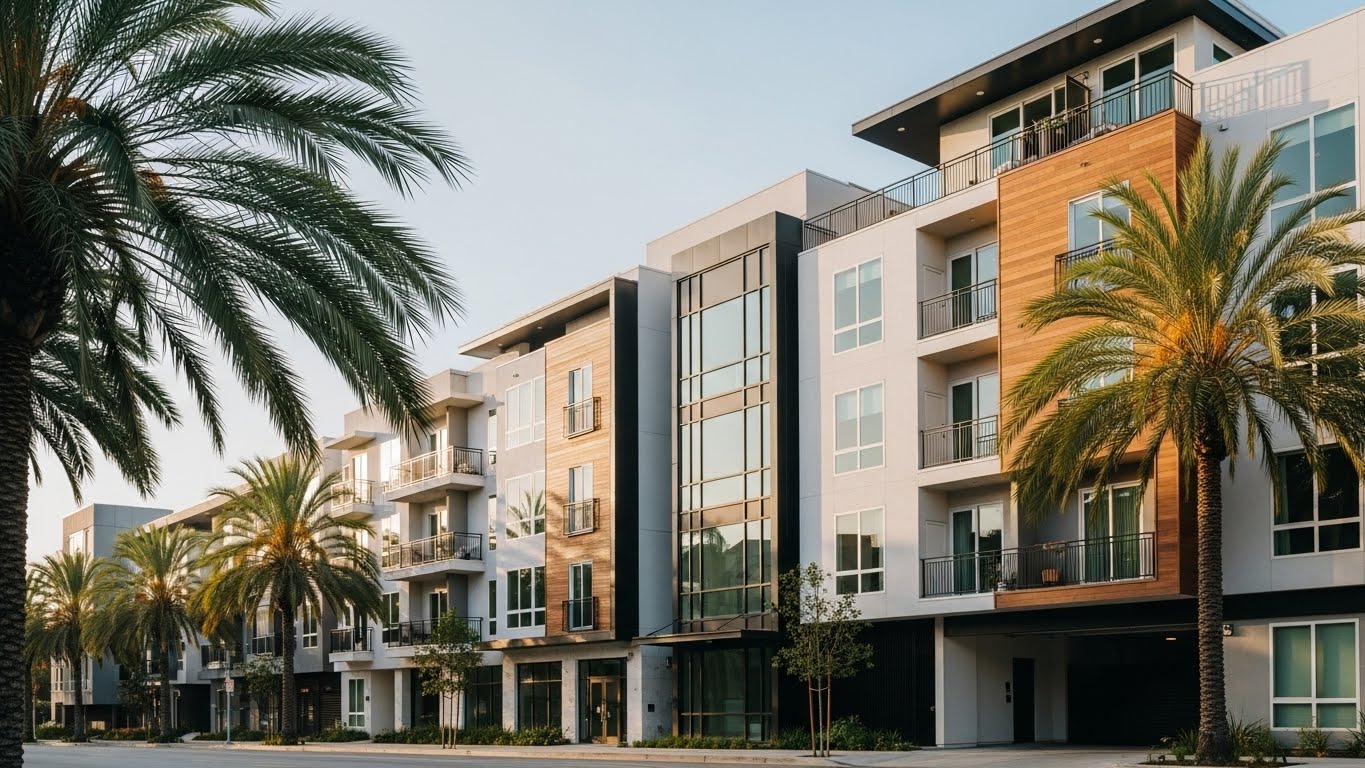
Key Points
- February remains part of the winter rental season, offering calmer conditions than spring.
- Renter competition typically increases slightly compared to January but stays manageable.
- Apartment availability may improve in some areas as more listings begin to appear.
- Leasing activity starts to pick up, making preparation more important for renters.
- February works best for renters who are ready to act without waiting for peak spring demand.
February often feels like a middle ground for renters in Los Angeles. It’s no longer the slowest point of winter, yet it hasn’t reached the pace or intensity of spring leasing. For renters deciding whether to move forward or wait, February raises practical questions about timing, competition, and inventory.
While rent pricing changes throughout the year, February’s biggest impact for renters is often competition and timing rather than dramatic cost shifts. Understanding how the February rental market behaves can help renters decide whether now is the right moment—or whether waiting aligns better with their goals.
What the Los Angeles Rental Market Feels Like in February
February is widely considered a transition month in the Los Angeles rental market. Winter conditions still apply, but early signs of spring activity begin to emerge.
Compared to January:
- Apartment demand in Los Angeles usually increases modestly.
- Leasing activity becomes more consistent across weeks.
- Early movers begin preparing for spring relocations.
If January often feels calmer for renters earlier in winter, February introduces more momentum. The market still feels approachable, but renters may notice listings moving a bit faster and leasing offices handling more inquiries.
Pros of Renting in February
Still Lower Competition Than Spring
One of February’s biggest advantages is that renter competition remains noticeably lower than it will be in March, April, and summer. While demand rises compared to January, it typically hasn’t reached peak levels.
This can give renters:
- More breathing room during tours
- Fewer competing applications
- A clearer decision-making process
Potentially More Listings Than January
In some neighborhoods, apartment availability improves in February as additional listings come online. This can happen as delayed winter move-outs appear and communities prepare inventory ahead of spring leasing.
Availability varies by location, but many renters notice more choice compared to early January.
Leasing Offices Remain Flexible and Responsive
February often retains many benefits of off-season renting. Leasing teams are usually still accessible and responsive before spring demand fully ramps up, making it easier to ask detailed questions and explore options.
Cons of Renting in February
Popular Units May Lease Faster
As leasing activity increases, desirable apartments may not stay available as long as they did in January. Renters who hesitate too long may miss out on preferred layouts or locations.
Inventory Can Tighten Quickly
February inventory can change week to week. Some areas see expanding availability, while others tighten as renter interest grows toward spring.
Less Time to “Wait and See”
February offers flexibility, but not unlimited time. Renters who prefer extended browsing may find the window narrowing as activity builds.
February vs January vs Spring (High-Level Only)
This comparison focuses on pace, competition, and choice volume, not pricing.
- January: quietest pace, lowest renter competition, slower decision cycles
- February: transitional pace, moderate competition, improving availability
- Spring: fast-moving, highly competitive, broader inventory but tighter timelines
February sits squarely between observation and action, making it ideal for renters who are prepared but not rushed.
How to Get the Best Results When Renting in February
February rewards renters who are organized and intentional.
Helpful strategies include:
- Knowing non-negotiables before touring
- Preparing application materials in advance
- Monitoring apartment availability consistently
As leasing activity increases, readiness often matters more than speed.
When February Is (and Isn’t) the Right Time for You
February May Be a Good Fit If You:
- Want calmer conditions than spring
- Prefer balanced competition levels
- Are flexible with timing
- Are ready to apply when the right unit appears
February May Not Be Ideal If You:
- Want the widest possible selection
- Prefer a very slow browsing phase
- Aren’t prepared to make decisions within a few weeks
February Renter Checklist
Before moving forward, consider:
- Are your application materials ready?
- Do you have flexibility with move-in dates?
- Have you reviewed lease start timing?
- Are parking and logistics clear?
- Are you monitoring listings weekly?
Prepared renters tend to navigate February more confidently.
Frequently Asked Questions
Is February slower than spring for renting in LA?
Yes. February is generally slower than spring, though it is more active than January.
Will there be more apartments available in February than January?
In some areas, yes. Apartment availability may improve slightly, depending on location.
Is February competitive for renters?
February is moderately competitive—busier than January, but far calmer than spring or summer.
How early should I apply if I want to move in February?
Renters should be ready to apply once the right apartment becomes available, as activity increases.
Should I wait until spring to rent?
That depends on priorities. Spring offers more listings but comes with higher competition and faster decision timelines.
Final Thoughts
February can be a good time to rent an apartment in Los Angeles for renters who understand its role as a transition period. It offers more momentum than January without the intensity of peak leasing season.
For renters comparing Valley locations with central LA access, February can also be a practical time to explore communities like SkyLA Tower without peak-season pressure.
The post Is February a Good Time to Rent an Apartment in Los Angeles? appeared first on SkyLA Tower Blog.
]]>The post Is January a Good Time to Rent an Apartment in Los Angeles? appeared first on SkyLA Tower Blog.
]]>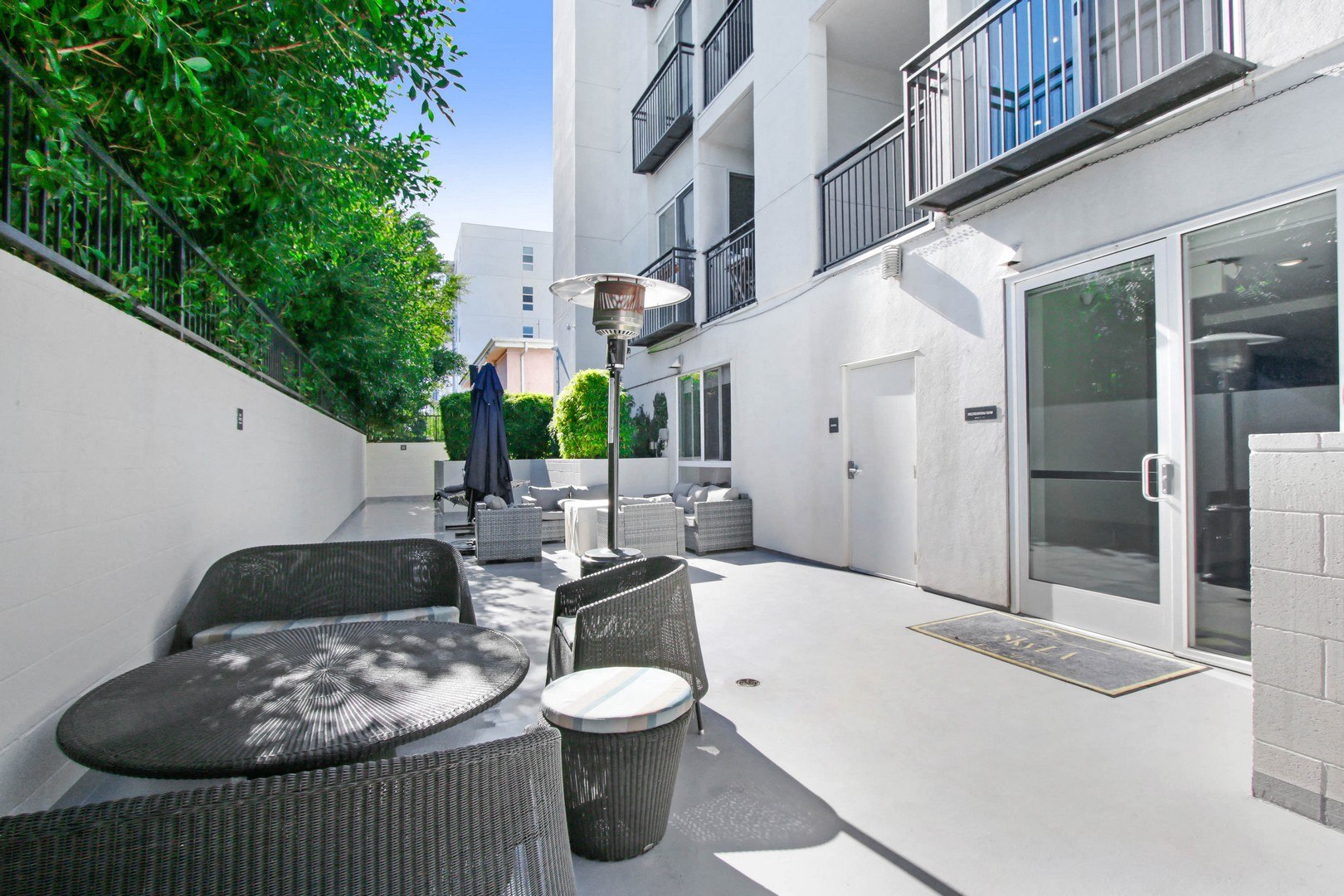
Key Points
- January is often a renter-friendly month in Los Angeles because demand is lower after the holidays.
- With fewer competing applications, you may have more flexibility on timing, tours, and lease decisions.
- Inventory can be more limited than peak months, but pricing is often steadier and less “rush-driven.”
- The best outcomes usually come from planning 30–60 days ahead and moving quickly when the right unit appears.
- If you’re comparing options near the Valley and central LA access, it can be a good month to explore communities like SkyLA Tower.
January can be a surprisingly good time to rent an apartment in Los Angeles—especially if you want a calmer search, fewer bidding-style situations, and more breathing room to compare options. While LA is competitive year-round, winter tends to bring a small reset after the end-of-year rush. That shift can work in your favor if you’re ready to tour, apply, and sign up at the right moment.
Whether January is the right time for you depends on your priorities: budget, flexibility, inventory, and how quickly you’re ready to move. Understanding how the market behaves early in the year helps set realistic expectations before you begin touring.
Why January Can Be a Good Time to Rent in Los Angeles
For many renters, January offers two key advantages: lower competition and a slower pace.
- Less competition: Fewer people like moving right after the holidays, so the renter pool often dips.
- More time to decide: Leasing offices tend to be less busy than summer, making it easier to ask questions and compare units.
- More predictable shopping: Instead of racing against dozens of applicants, you’re more likely to find a normal tour → application → approval timeline.
That said, January isn’t automatically the “cheapest month” across every neighborhood or building. LA pricing is dynamic and varies by submarket, unit type, and availability. Still, it’s a month where renters can often make clearer decisions without peak-season pressure.
What the Los Angeles Rental Market Looks Like in January
Los Angeles doesn’t have a true “off-season” the way some cities do, but January typically reflects winter patterns:
- Demand usually softens: Fewer relocations and school-year moves happen in early January compared to summer.
- Pricing is often steadier: Many communities hold pricing or adjust more gradually than during peak months.
- Availability can be mixed: Some buildings may have fewer new listings than spring, while others see turnover from December move-outs.
The biggest difference is how the market feels: less frantic, fewer rushed decisions, and more space to compare what you’re getting for your monthly rent.
Pros of Renting in January
Lower competition (often a big win)
When fewer renters are applying at the same time, you can sometimes tour more options before committing—and that’s valuable in a city where apartments can disappear quickly.
Better experience for tours and questions
January tends to be less chaotic. It can be easier to schedule tours, follow up on details, and compare policies like parking, pet guidelines, deposits, and lease lengths.
Potential incentives or flexibility
Some communities offer specials at various times depending on occupancy goals. Even when discounts aren’t available, you may still benefit from a smoother approval process and clearer communication.
Cons of Renting in January
You might see fewer listings than spring
Spring and early summer often bring more turnover. In January, you may need to check availability more often and be ready to act when a good match appears.
Weather and logistics can be annoying
LA winters are mild, but move days can still mean rain or inconvenient timing (especially if you’re coordinating elevators, loading zones, or parking).
Not every neighborhood behaves the same way
A highly in-demand pocket may stay competitive even in January. That’s why your best strategy is to compare multiple areas and stay flexible on move-in dates.
January vs. Other Months: When You’ll See the Biggest Differences
- January vs. Summer: Summer is faster, more competitive, and often more expensive due to higher demand. January is generally calmer and more flexible.
- January vs. Spring: Spring can bring more inventory and choices, but competition starts rising as more people begin searching.
- January vs. Fall: Fall can be another balanced season—often a good mix of options and pricing—depending on neighborhood cycles.
If you’re flexible and prefer a more relaxed search, January is one of the better months to start.
How to Get the Best Results When Renting in January
The strongest January outcomes usually come from preparation rather than speed.
- Start your search 30–60 days before your target move-in date
- Know your non-negotiables before touring
- Check listings consistently instead of waiting for a big batch of openings
Because the market moves more slowly in January, renters often have more space to compare properties thoughtfully. Winter can be a good time to review different layouts, explore available floor plans, and monitor currently availability as units open up.
With fewer overlapping appointments, it can also feel easier to tour at your own pace. Scheduling time to walk through a building—such as SkyLA Tower—often feels more relaxed in January, giving renters time to ask questions and schedule a tour when it fits their timeline, not because of peak-season urgency.
January Renter Checklist: What to Ask Before You Sign
Before signing a lease, confirm:
- Total monthly cost (rent + parking + trash + utilities estimates)
- Lease length options and renewal terms
- Deposit and any move-in fees
- Guest parking policies and building access
- Maintenance response process and after-hours support
- Timing for move-in day logistics
A slower season is the perfect time to ask these questions without feeling rushed.
A Simple “Is January Right for Me?” Decision Guide
January is often a strong fit if you:
- Want lower competition and a calmer tour process
- Can be flexible on exact move-in date
- Prefer to avoid peak-season pricing pressure
- Are ready to apply quickly once you find the right unit
January may be less ideal if you:
- Need the widest possible inventory selection (spring may be better)
- Require a very specific unit type and location, and can’t wait for new listings
- Are moving with strict school-year timing (depending on your household)
Frequently Asked Questions
Is January usually cheaper for renting in Los Angeles?
Often, yes—January can be more renter-friendly because demand tends to dip after the holidays. Pricing varies by neighborhood and building, but the market is usually less competitive than summer.
Does LA have an “off-season” for renting?
Not a true off-season, but winter months (including January) often feel slower than peak summer leasing. That can mean less competition and a smoother search experience.
Will there be fewer apartments available in January?
Sometimes. Certain neighborhoods see more turnover in spring and summer, so January inventory can be slightly tighter. Checking availability frequently helps.
How early should I start looking if I want to move in January?
Ideally 30–60 days before your target move-in date. That gives you time to tour, compare, and apply without rushing.
Should I sign a lease immediately if I find the right place in January?
If the unit matches your needs and budget, it’s smart to move quickly—good apartments still lease fast in LA, even in slower months.
Final Thoughts
January may not offer the widest selection of apartments, but it often provides something just as valuable: time. With fewer renters competing and a slower leasing pace, many people find it easier to make confident, well-considered decisions early in the year.
If you value clarity, flexibility, and a calmer search process, January can be a very practical time to rent an apartment in Los Angeles.
The post Is January a Good Time to Rent an Apartment in Los Angeles? appeared first on SkyLA Tower Blog.
]]>